|
Getting your Trinity Audio player ready... |
Table of Contents
- 1 What Is a Geocell?
- 2 How Geocells Work in Action
- 3 Key Soil Stabilization Methods Using Geocells
- 4 Common Soil Stabilization Materials Used with Geocells
- 5 Benefits That Make Geocells the Smart Choice
- 6 Choosing the Right Geocell for Your Project
- 7 Conclusion
- 8 FAQs
- 8.1 1. What is a geocell used for in soil stabilization?
- 8.2 2. What are the main soil stabilization methods using geocells?
- 8.3 3. What materials can be used with geocells for soil improvement?
- 8.4 4. How do geocells compare to traditional soil stabilization techniques?
- 8.5 5. Why use geocells specifically for road construction?
Ever tried to build something on soft, unstable ground? It is an almost impossible task that will lead to muddy chaos and a shaky foundation.
For many years, there was only one expensive solution to this issue in construction. It was to dig out the weak soil and replace it with costly aggregate. While it did work, it was costly and time-consuming.
Today, most modern construction projects use geocells instead of this aggregate. These are simple yet brilliant structures that work with the soft soil rather than replacing it.
Geocells use a honeycomb structure to confine and stabilize poor-quality ground soil. This creates a strong platform ideal for any load-bearing structure.
Interested in learning more? In this blog, we will explore why geocell is such an easy-to-use alternative to traditional methods.
Let us understand what geocells are, how they work, and the soil stabilization benefits they provide.
What Is a Geocell?
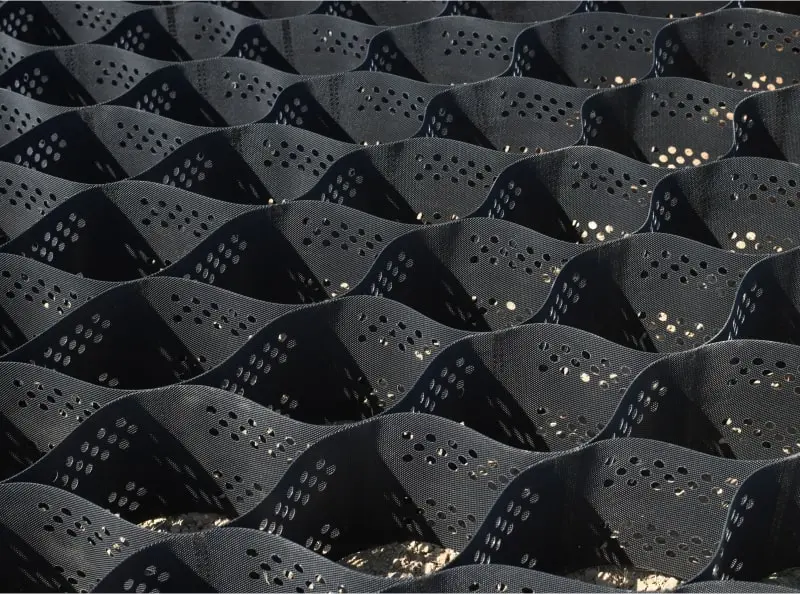
So, what is a geocell exactly? Essentially, they are a three-dimensional honeycomb structure made from high-density polyethylene (HDPE) strips.
When they are unfolded on-site, they form a network of interconnected cells. You can fill them with soil, sand, and gravel to enhance their durability.
It is like creating a rigid mattress on top of weak ground. The cells lock this infill material in place to prevent it from shifting from side to side. A geocell creates a stable slab that evenly distributes loads across the underlying soil.
This concept originated from the U.S. Army Corps of Engineers in the 1970s. They required building temporary roads over soft terrain to complete their military operations. Geocells were invented to meet this need and have steadily become commonplace.
How Geocells Work in Action
I find that the best part of using geocell for soil stabilization is its confinement. When you fill its honeycomb pockets, the ground is stabilised completely.
This confinement offers several benefits, including:
- Lateral Confinement: Cell walls prevent infill from spreading sideways, creating a stiff layer that resists rutting.
- Load Distribution: Vertical stress spreads over a wider area, reducing pressure on weak subgrades.
- Better Bearing Capacity: Confined soil has greater bearing capacity than loose soil. This allows for more durable construction on the ground.
- Membrane Effect: The geocell layer bends slightly under load without breaking or absorbing.
Key Soil Stabilization Methods Using Geocells
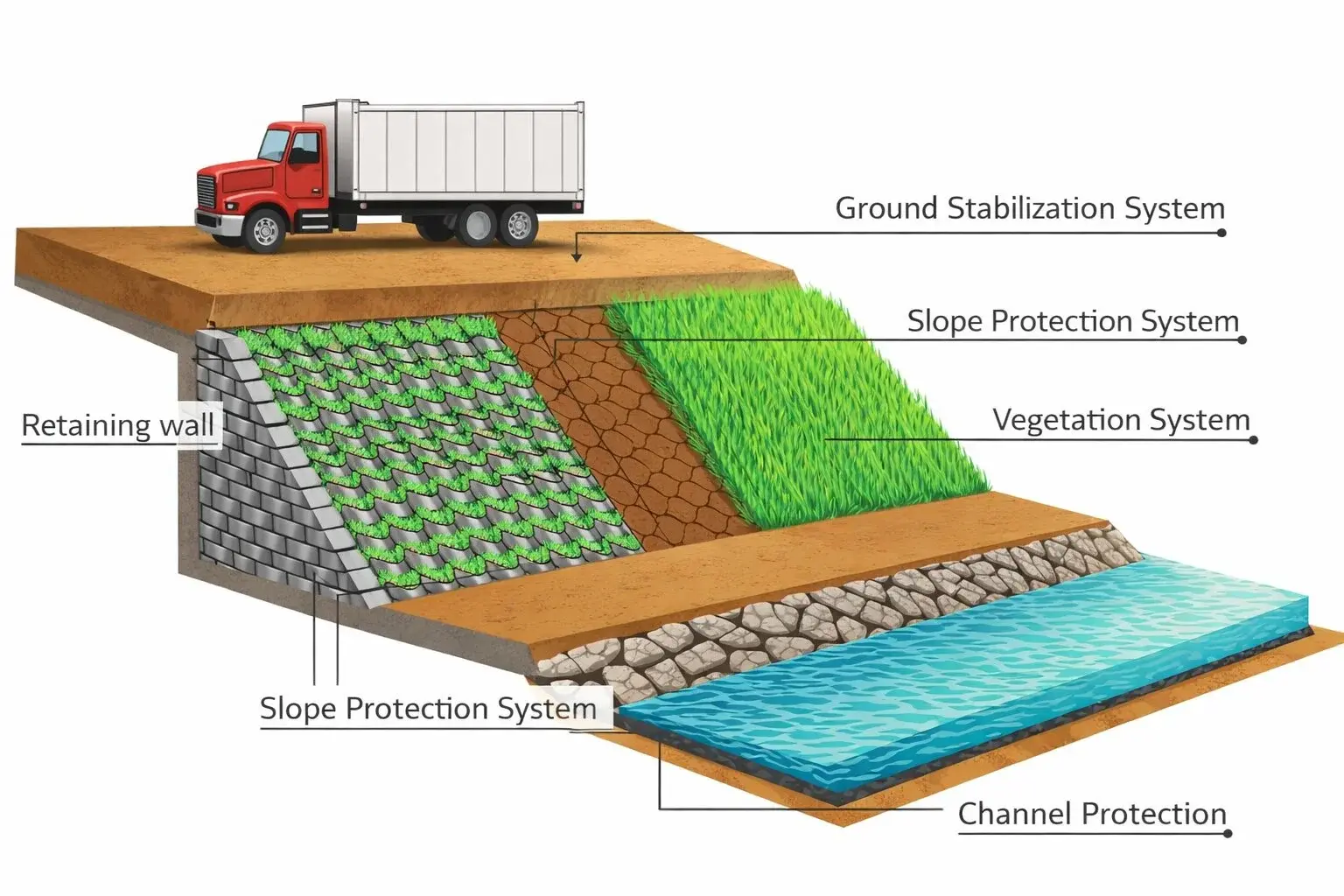
Below are methods on how you can use geocells for soil stabilization techniques:
Load Support for Roads and Pavements
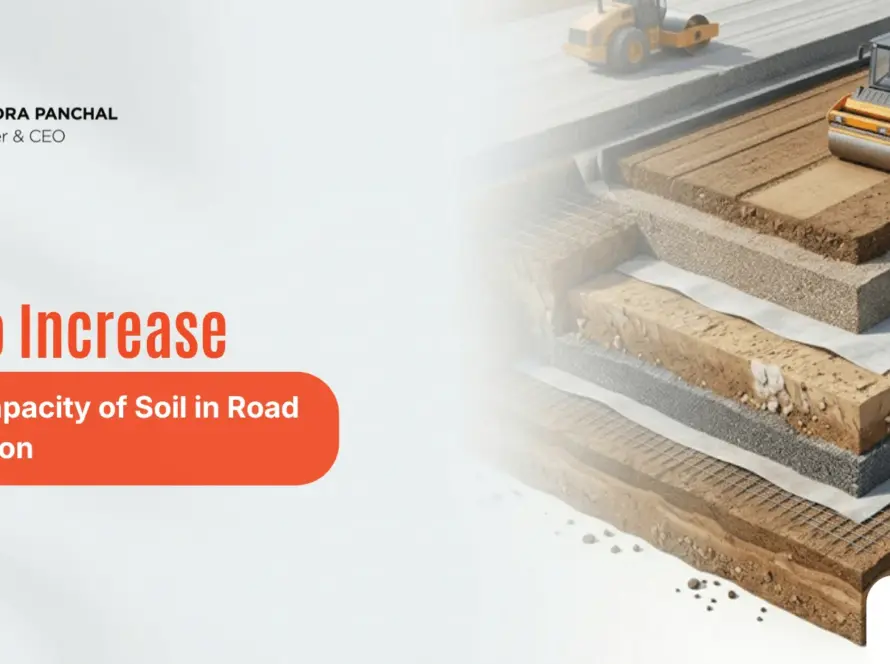
The most common application of geocells is to build roads on weak soil. The geocell layer is placed directly on prepared soil to increase the ground’s rigidity.
As the soil fills the geocell, it acts as a semi-rigid slab, evenly distributing loads. This makes an effective soil stabilization method for roads, which directly improves the bearing capacity of soil in road construction.
Slope Stabilization
On embankments with steep inclines, gravity and water constantly pull soil downhill. With geocells, this soil remains anchored on the slope.
Geocells are excellent for holding soil in place to prevent erosion or landslides. It also allows vegetation to take root, naturally reinforcing the soil.
Channel and Shoreline Protection
Water flowing through drainage channels can rapidly weaken the soil. Using geocells filled with gravel or concrete can help avoid this issue.
It works by providing a durable lining that withstands water flow. It keeps soil in place, allowing vegetation to grow.
Retaining Wall Construction
Stacking filled geocells is a great way to create gravity retaining walls.
These provide a flexible and cost-effective way to create minor ground settlements. Unlike concrete walls, they can accommodate such settlements without cracking.
Common Soil Stabilization Materials Used with Geocells
One of the best things about geocells and PP Geogrids is their ability to be filled with a variety of different materials. This provides flexibility to your construction and nullifies the need for expensive aggregates.
Here are the most common soil stabilization materials you can use with geocells:
Infill Material | Best Application | Key Benefit |
Granular Aggregate | Roads, parking areas, access roads | High load-bearing capacity, excellent drainage |
Local Soil | Slopes, vegetated areas, low-load surfaces | Low cost, promotes vegetation growth |
Sand | Pipeline protection, coastal applications | Flexible, good for areas with settlement concerns |
Recycled Materials | Sustainable construction, embankments | Reduces waste, lowers carbon footprint |
Concrete | Channel linings, heavy-duty pavement | Maximum durability, erosion resistance |
Benefits That Make Geocells the Smart Choice
There is a reason most engineers worldwide are switching to geocells for soil stabilization.
Here are the advantages of geocells that continue to dominate modern construction:
Benefit | What It Means for Your Project |
Cost Savings | Reduce aggregate use by up to 50%; use local fill materials |
Faster Construction | Lightweight, easy-to-install panels speed up project timelines |
Longer Lifespan | HDPE resists chemicals, UV, and environmental stress for decades |
Better Performance | Distributes loads, prevents rutting, and reduces maintenance |
Environmental Gains | Less quarrying, lower emissions, promotes vegetation |
Choosing the Right Geocell for Your Project
Trying to decide which geocell best suits your project requirements? Consider factors like:
Material Quality
Ensure that your geocell is built with UV-stabilized virgin HDPE.
Also, make sure that recycled materials are not used. They can degrade the geocell more quickly.
Dimensions
Opting for a geocell with taller cells and tighter weld spacing is generally preferred. This makes them more efficient for heavy loads.
Perforations
Using perforated cell walls allows easier water drainage and root growth.
Manufacturer Reputation
Make sure you choose only experienced geocell manufacturers in India. This will ensure that you receive high-quality solutions and better technical support.
Conclusion
In modern construction projects, soil stabilization has become a necessity. But instead of pouring large amounts of concrete, you now have an easier option.
With geocells, you can both confine and reinforce weak soils to make solid foundations. It’s quick to install and very cost-effective.
To get the best returns on your investment, I suggest partnering with our team at Indonet. We understand that every project is different and tailor our products to suit it.
Our wide range of high-quality geoells is designed to withstand the harsh conditions of Indian soil. With UV-stabilized HDPE geocells, your solution will also be protected from heat and sunlight.
Whether you are building a rural road or protecting a slope, our team can help you select the right product. We are experts in stabilizing soil using solutions that get smarter every day.
Excited to make your foundations more durable? Contact Indonet today and get expert advice on premium geocell solutions!
FAQs
1. What is a geocell used for in soil stabilization?
A geocell for soil stabilization is used to confine and reinforce weak soils. It creates a stable platform for roads, prevents erosion on slopes, protects channels, and helps build retaining walls by locking infill materials in place.
2. What are the main soil stabilization methods using geocells?
The main soil stabilization methods with geocells include load support for roads and pavements, slope protection on embankments, channel lining for erosion control, and reinforced retaining wall construction.
3. What materials can be used with geocells for soil improvement?
Common soil stabilization materials used with geocells include granular aggregate, local soil, sand, recycled materials, and sometimes concrete. The choice depends on your project’s needs and the local resources available.
4. How do geocells compare to traditional soil stabilization techniques?
Unlike traditional soil improvement methods such as deep excavation or thick gravel layers, geocells are faster to install, easier to transport, and more cost-effective. They reduce aggregate use by up to 50% while providing better long-term performance.
5. Why use geocells specifically for road construction?
For soil stabilization for roads, geocells distribute traffic loads evenly, prevent rutting, and allow construction on weak subgrades that would otherwise fail. This makes them one of the most effective soil stabilization techniques available for modern road projects.