Skip to content Skip to sidebar Skip to footer

Green Nets for Construction Safety and Sustainability – A Complete Guide

Getting your Trinity Audio player ready...

Quick Answer

A green net for construction is a high-density polyethylene (HDPE) mesh used on construction sites to catch falling debris, contain dust, reduce sun and wind exposure, and demarcate active work zones. Green nets are wrapped around scaffolding, building facades, and site perimeters, and are most commonly used on multi-storey, demolition, and infrastructure projects. They are supplied in light to heavy weights to suit different debris loads and exposure conditions.

Last updated: June 17, 2026 · Reviewed by Dipesh Jani, Global Sales Head, Indonet Group

Key Takeaways

  • A green net is an HDPE mesh used as a passive safety barrier on construction sites.
  • The four common types are debris nets, scaffold nets, shade nets, and wind / dust nets.
  • They protect workers, pedestrians, and adjacent property from falling material.
  • Green is chosen for high site visibility and low glare in strong sunlight.
  • UV-stabilized HDPE green nets remain effective for several years in Indian outdoor conditions.
  • Their use supports compliance with construction safety guidance under the National Building Code of India 2016, Part 7.

The construction industry is constantly evolving, integrating innovative solutions to enhance safety, efficiency, and environmental sustainability. At the forefront of this green revolution is the use of green nets for construction, a simple yet powerful tool that is transforming how we approach building projects. This comprehensive guide will help you delve deeper into the world of green nets, exploring their types, functionality, and the multitude of benefits they offer.

What are Green Nets and their Primary Purpose 

Green nets for construction are a specialised, eco-friendly mesh used to safeguard construction sites. Its primary purpose is to protect workers and pedestrians from debris, manage dust emissions, and reduce environmental impact. The Indonet Group, with its commitment to safety and sustainability, manufactures these nets as a vital tool for modern construction sites.

These systems are closely linked to the importance of safety nets in construction sites for ensuring worker protection.

Types of Green Nets for Construction Applications

There are several types of green nets that cater to various construction needs:

Debris Nets: These are fine-meshed, robust nets capable of catching even small debris, ensuring a clean and safe environment below the construction site.

Scaffold Nets: These are crucial for scaffold structures, providing a shield against falling tools and materials and ensuring the safety of those working at heights.

Shade Nets: Particularly beneficial in hot climates, these nets offer a respite from the harsh sun, reducing heat stress and boosting worker productivity.

Wind and Dust Nets: These specialised nets mitigate the effects of wind, controlling dust dispersion and maintaining visibility and air quality at the construction site.

indonet Group provides a range of green nets, catering to diverse construction demands.

Materials Used in Manufacturing Green Nets

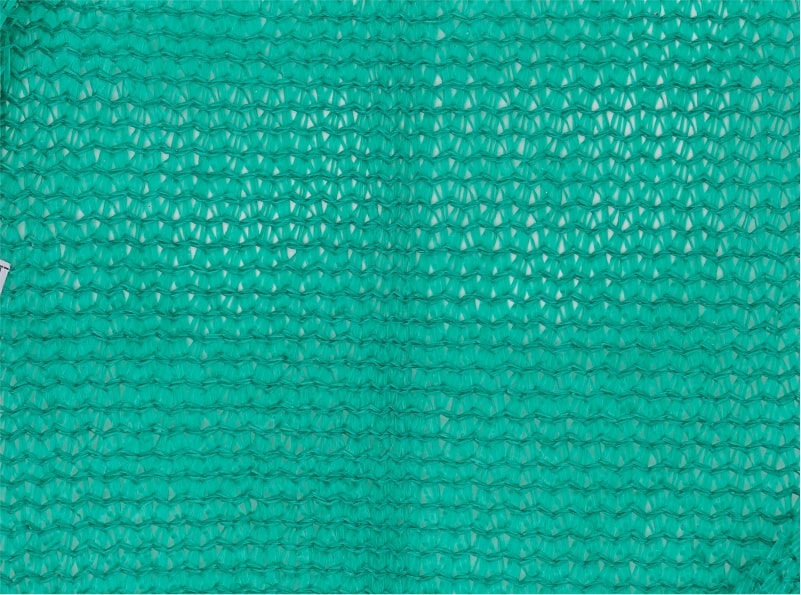
HDPE green construction nets used for debris containment, dust control, and environmentally responsible construction


1. High-Density Polyethylene (HDPE) – The Core Material

The primary material used in most green nets is HDPE (High-Density Polyethene). Known for its strength, flexibility, and resistance to environmental damage, HDPE is the backbone of construction-grade green nets.

Why HDPE?

  • Excellent tensile strength

  • Lightweight yet highly durable

  • Resistant to moisture and chemicals

  • Non-reactive to UV rays (when treated)

2. UV Stabilizers – For Sun Protection

Since green nets are often used in outdoor construction environments, they need to withstand prolonged exposure to sunlight. UV stabilizers are added during the manufacturing process to prevent degradation and maintain the net’s strength over time.

Benefits:

  • Increases the life of the net under direct sunlight

  • Prevents brittleness and colour fading

  • Makes the net ideal for hot climates like India

3. Additives for Flexibility and Longevity

To enhance performance, additional polymer additives are included in the mix:

  • Antioxidants—Prevent material degradation

  • Plasticisers – Improve flexibility

  • Anti-static agents – Reduce dust accumulation

4. Mesh Pattern & Knotting Technology

Although not a raw material, the knitting technique or mesh pattern significantly affects the quality and application of the net. Indonet’s green nets are manufactured using advanced warp-knitting or Raschel technology to ensure:

  • Uniform mesh size

  • High tear resistance

  • Better airflow while blocking debris

How Green Nets Work

Green nets used at construction sites serve multiple roles:
  • Preventing Debris and Dust from Falling Off

Green nets are pivotal in ensuring construction safety and cleanliness. By wrapping the construction sites, particularly in high-rise projects, they trap and contain debris and dust, mitigating the risks of accidents and environmental contamination.

  • Reducing Heat Stress and Improving Worksite Safety

Shade nets, a specialised form of green nets, significantly reduce heat stress on construction sites. By providing a cooler environment, they improve worker safety and efficiency, which is a key concern in the often harsh conditions of construction sites.

  • Environmental Benefits

The use of green nets signifies a commitment to environmental protection in construction. They help in reducing pollution, controlling waste, and promoting sustainable construction practices, aligning with global environmental goals.

  • Economic Advantages

Green nets offer substantial economic benefits. Their durability means less frequent replacements. Additionally, their efficiency in maintaining safer work environments reduces the risk of potential accidents, making them a cost-effective solution for construction projects.

What are the Applications of Green Nets in Construction

Green nets are versatile and find application in various construction scenarios, including high-rise buildings, bridges, and residential and commercial projects. Their adaptability makes them suitable for a wide range of construction environments.

1. Safety from Falling Debris

One of the primary applications of green nets is to prevent debris or construction material from falling onto workers or passersby. They create a protective barrier that reduces the risk of injury and ensures site safety, especially in urban high-rise projects.

2. Dust and Pollution Control

Green nets help contain construction dust, reducing its spread into surrounding environments. This plays a vital role in:

  • Complying with local environmental norms

  • Reducing air pollution on-site

  • Creating a cleaner, safer atmosphere for workers

3. UV Protection for Workers and Materials

Quality green nets from Indonet are designed to offer UV protection, which shields both workers and sensitive building materials (like cement, paint, and adhesives) from excessive sun exposure during hot summer months.

4. Wind and Weather Resistance

In open construction zones, green nets can act as a windbreaker, offering moderate protection against strong winds or light rain, making the site more workable during unstable weather conditions.

5. Compliance with Safety Regulations

Many regulatory bodies now mandate the use of safety nets in high-rise and commercial construction. Using Indonet green nets ensures compliance with these norms while providing durability and long-term performance.

Safety Benefits 

The safety advantages of green nets are paramount. They play a crucial role in preventing injuries on site and protecting property, aligning with Indonet Group’s focus on safety as a top priority in construction.

Durable green construction safety nets built for site protection, sustainability, and long term use

Conclusion

Adopting green nets in construction projects is a step towards a more secure, clean, and sustainable future. Indonet Group’s advocacy for these nets underlines their importance in modern construction practices, making them an essential component for any environmentally conscious and safety-oriented construction project.


Frequently Asked Questions

What is a green net used for in construction?

A green net is used in construction to catch falling debris, contain dust, reduce sun exposure on workers, shield wind, and visibly demarcate active work zones. It is one of the most widely used passive safety products on Indian high-rise sites.

Why is green net used in construction?

Green nets are used because a single product addresses four needs at once: worker safety from falling debris, dust containment, sun and wind shielding, and clear visual marking of the active site. Green is chosen as the colour because it offers strong visual contrast on construction sites without producing harsh glare in strong sunlight.

What is the purpose of green net in construction?

The primary purpose of a green net in construction is passive safety – it provides a continuous physical barrier that catches falling tools, masonry, and debris before they can injure people below. Secondary purposes include dust control, UV reduction, and supporting compliance with site-safety guidance under the National Building Code of India 2016.

What is green cloth used in construction for?

“Green cloth” is the colloquial term for green construction netting. It refers to the same HDPE mesh used to wrap scaffolding and building facades to catch debris and contain dust during construction. It is not a woven fabric — it is a knitted polymer mesh.

Why are construction buildings covered with green cloth?

Buildings under construction are covered with green netting (sometimes called green cloth) primarily to prevent falling debris from injuring workers and pedestrians at lower levels. The covering also contains dust, reduces wind effect on the working platforms, and signals an active construction zone to the public.

Why is the green net colour green?

The green colour is chosen for three practical reasons: high visual contrast against most concrete, steel, and sky backdrops; reduced reflective glare in strong sunlight compared with white or yellow; and improved blending with urban surroundings, which reduces visual disruption near residential and commercial areas.

Is a green construction net heat resistant?

HDPE green construction nets are stable for continuous use across the temperatures typically experienced on Indian construction sites. They are not flame-retardant by default. Flame-retardant grades can be specified for use near welding, cutting, or grinding operations – contact Indonet for project-specific requirements.

Does a green net reduce heat on the construction site?

Yes. Shade-rated green nets reduce direct solar radiation reaching the work face and lower the ambient temperature inside scaffold-enclosed zones. This improves worker comfort during Indian summer conditions and can reduce heat-stress incidents.

What material is a green net made of?

Green construction nets are made from high-density polyethylene (HDPE), with UV stabilizers, antioxidants, plasticisers, and anti-static additives blended in during extrusion. The HDPE is drawn into tape or monofilament and then knitted on Raschel warp-knit machines into the final green mesh structure.

How long does a green construction net last?

A UV-stabilized HDPE green net typically remains effective for several years in Indian outdoor conditions. Service life depends on UV exposure, coastal humidity, and mechanical wear at edges and fixing points. Untreated (non-UV-stabilized) nets degrade much faster and are not recommended for long-duration projects.

What is the difference between a green net and a safety net?

“Green net” is a colour-based name; “safety net” is a function-based name. Most green construction nets are safety nets, but safety nets can also be supplied in orange (barricade nets), black, or other colours. The distinguishing feature is the engineering function — a safety net is designed specifically to arrest falling debris or to absorb the impact of a fall.

Can a green net be reused on multiple construction projects?

Yes. Properly handled UV-stabilized green nets can be reused across multiple projects depending on condition. Inspect for edge tears, grommet wear, and UV chalking before reuse. For projects where reuse is planned, specify rope-bound edges with metal grommets at the time of order.

How do I choose the right green net for my construction project?

Match the net specification to the project: heavier weights for higher debris loads and exposed wind faces, lighter weights for dust control and shading. Confirm UV stabilization, edge finish (open, heat-sealed, or rope-bound with grommets), and roll size. For project-specific guidance, contact Indonet’s technical team.

Where can I buy green nets for construction in India?
Indonet Group manufactures and supplies green construction nets across India and to 10+ countries from its ISO 9001:2015-certified units in Waghodiya GIDC, Vadodara, Gujarat. Samples, technical specifications, and project pricing are available on request – contact our sales team for a quote.

Avatar photo

Dipesh Jani

Global Sales HeadMr. Jani is an international business strategist driving global expansion for Indonet Group. With 14 years of expertise in the polymer sector, he spearheads sales initiatives that connect high-performance geosynthetics and netting solutions to clients across 10+ countries.Dedicated to building meaningful partnerships, he addresses complex industry challenges by delivering reliable, engineered materials for specific project needs. His leadership in export development and market strategy ensures global clients receive trusted solutions that enhance project integrity and collaborative success in the international marketplace.